Author: admin

  • Why Is My Upstairs Always Hotter Than the Rest of My House?


    Hot Upstairs? It Could Increase Your Ice Dam Risk

    It Might Feel Like a Summer Problem, But the Cause Matters All Year Long

    Most homeowners never connect their uncomfortable upstairs to the ice dams forming on their roof every winter.

    But in many homes, both problems share the same cause.

    If your second floor stays noticeably hotter than the rest of the house during summer, your attic may be trapping and transferring heat in ways that affect your roof year-round. That same heat buildup can contribute to uneven snow melting during winter, increasing the likelihood of ice dams, roof leaks, and frozen gutters.

    In other words, the room that feels too hot in July may be giving you clues about problems that show up six months later.

    Heat Naturally Rises — But That Is Only Part of the Story

    Everyone knows warm air rises. That is basic physics.

    But in a properly functioning home, that alone should not make your second floor dramatically hotter than the first.

    The real issue usually comes from how heat moves through the attic and roof system.

    On a sunny summer day, attic temperatures can easily exceed 120 to 150 degrees. If insulation levels are inadequate or air leaks exist between the living space and attic, that heat begins working its way into the rooms below.

    The result is an upstairs that constantly feels warmer, even when your HVAC system is running.

    This is why homeowners searching why does my upstairs stay hot in summer often discover that the problem starts above the ceiling, not inside the room itself.

    Your Attic May Be Acting Like a Giant Heat Trap

    Think of your attic as the buffer zone between your home and the weather outside.

    When insulation, ventilation, and air sealing are working together correctly, the attic helps reduce heat transfer into the living space. When one of those systems is underperforming, temperatures inside the home become much harder to control.

    Many homes develop issues such as:

    • Insulation gaps
    • Poor attic ventilation
    • Blocked soffit vents
    • Air leaks around fixtures and penetrations
    • Uneven airflow between floors

    Individually, these may seem minor. Together, they can create significant heat buildup that homeowners feel every day during the summer months.

    Why Attic Ventilation Makes Such a Difference

    Attic ventilation plays a major role in regulating temperature throughout the home.

    Without proper airflow, heat accumulates inside the attic throughout the day. That trapped heat radiates downward through the ceiling and into upstairs rooms long after the sun goes down.

    Many homeowners notice their upstairs remains warm well into the evening, even after outdoor temperatures begin dropping. That lingering heat is often coming from the attic itself.

    A properly ventilated attic helps remove excess heat and moisture before it builds up. Ridge vents, soffit vents, and other ventilation components work together to keep attic temperatures more stable throughout the day.

    When those systems become blocked, damaged, or insufficient, the attic effectively becomes an oven sitting above your living space.

    Insulation Does More Than Keep Your House Warm in Winter

    Many homeowners think insulation only matters during cold weather.

    In reality, insulation works year-round.

    During winter, insulation helps keep heat inside the living space. During summer, it helps prevent attic heat from moving downward into the home.

    This is why homeowners frequently ask can attic insulation help upstairs temperatures.

    The answer is often yes.

    Insulation acts like a thermal barrier between the attic and the rooms below. When insulation levels are inadequate, compressed, damaged, or unevenly distributed, heat transfer increases significantly.

    That can leave the upstairs feeling noticeably warmer even when the HVAC system appears to be operating normally.

    The Same Heat Loss That Creates Summer Discomfort Can Cause Winter Ice Dams

    This is where many homeowners have an “aha” moment.

    The same attic issues causing summer heat buildup often contribute to winter roof problems.

    When conditioned air escapes into the attic during winter, portions of the roof warm up unevenly. Snow begins melting on those warmer sections and refreezes near colder roof edges.

    Over time, that cycle can create the conditions that lead to ice dam formation.

    If you want a deeper understanding of how this process works, our guide on what causes ice dams explains how attic heat loss and roof temperatures work together to create winter roof issues.

    In many homes, the symptoms simply change with the seasons:

    • Summer: upstairs feels too hot
    • Winter: snow melts unevenly on the roof
    • Winter: ice dams and roof leaks develop

    The root cause is often the same.

    Could Your HVAC System Be Part of the Problem?

    Sometimes.

    While attic issues are common, HVAC performance can also contribute to uneven temperatures between floors.

    Improper duct sizing, airflow restrictions, poorly balanced systems, or aging equipment can make it difficult to distribute conditioned air evenly throughout the home.

    However, many homeowners spend thousands upgrading HVAC equipment only to discover the underlying problem was excessive attic heat and inadequate insulation all along.

    That is why it is important to evaluate the entire home as a system rather than assuming the air conditioner is automatically to blame.

    Signs Your Attic May Be Affecting Indoor Temperatures

    If several of these situations sound familiar, your attic may deserve a closer look:

    • The second floor stays consistently warmer than the first
    • Your HVAC system runs constantly during hot weather
    • Rooms near the attic are difficult to cool
    • Large icicles form during winter
    • Snow melts unevenly across the roof
    • You have experienced ice dams or winter roof leaks before

    These symptoms often point toward insulation, ventilation, or air-sealing issues rather than a simple thermostat problem.

    Comfort Today Can Help Prevent Roof Problems Tomorrow

    Many homeowners treat summer comfort issues and winter roof issues as completely separate problems.

    In reality, they are often connected.

    The attic plays a major role in how your home performs throughout the year. When heat moves through the attic uncontrollably, it can increase cooling costs in summer, reduce comfort inside the home, and create conditions that contribute to ice dams during winter.

    Addressing those issues helps improve more than comfort. It helps create a healthier, more efficient home that handles seasonal weather changes more effectively.

    If your upstairs always feels hotter than the rest of the house, it may be worth looking beyond the thermostat. The solution could be sitting right above your ceiling.


  • Why Some Homes Get Ice Dams and Others Dont


    Do You Need a Roofer or an Ice Dam Company? How to Tell the Difference

    When Water Starts Coming Through the Ceiling, Most Homeowners Call the Wrong Company First

    It usually starts with confusion.

    You notice water dripping from the ceiling in the middle of winter, so naturally, you call a roofer. After all, water coming into the house sounds like a roofing problem.

    But then something frustrating happens. The roofer looks things over and says the roof appears fine. No missing shingles. No major storm damage. Nothing obvious that explains why your ceiling is leaking.

    Meanwhile, the dripping continues.

    If you are searching should I call a roofer or ice dam company, you are probably caught in that exact situation right now. And the truth is, many winter leaks are not traditional roofing failures at all.

    In northern states, water entering the home during snowy or freezing conditions is often caused by trapped snowmelt and ice buildup—not damaged shingles.

    Why Winter Roof Leaks Confuse So Many Homeowners

    Most people expect a roof leak to happen during a rainstorm. That feels logical. Rain falls, water gets through damaged roofing materials, and the ceiling starts leaking.

    Winter leaks work differently.

    Many homeowners notice the problem appears:

    • After heavy snowfall
    • During warmer afternoons
    • After freeze-thaw cycles


    That timing matters because it often points toward ice buildup along the roof edge rather than actual roofing failure.

    As snow melts higher on the roof, water naturally runs downward. But when it reaches colder sections near the roof edge or frozen gutters, it refreezes and creates a barrier. Eventually, water becomes trapped behind that ice and starts backing up underneath shingles. This process is one of the most common causes of ice dams during winter weather swings.

    That is why homeowners often search: is this a roofing problem or an ice damor roof looks fine but ceiling is leaking.

    The roof itself may still be functioning properly. The problem is that water physically cannot drain away.

    What Roofers Actually Specialize In

    Roofers are absolutely the right call when the issue involves structural roofing damage.

    If shingles blew off during a storm, flashing failed around a chimney, or aging roofing materials are allowing water inside, a roofing contractor is exactly who you need.

    Roofing companies are trained to evaluate long-term roof integrity, weather damage, installation problems, and repair needs tied directly to roofing materials themselves.

    But active winter water intrusion caused by trapped snowmelt is often outside the normal scope of what many roofing companies handle during emergency conditions.

    That is why homeowners sometimes hear: “The roof itself looks okay.”

    The roofer is evaluating roofing structure. The actual issue may be frozen drainage, roof-edge ice buildup, or water backing up underneath otherwise healthy shingles.

    What an Ice Dam Removal Company Actually Does

    This is where the difference becomes important.

    An ice dam removal company is not there to replace your roof. Their job is to stop active winter water intrusion caused by snow and ice conditions.

    That usually means identifying where water is becoming trapped, opening drainage channels safely, and removing the buildup causing water to back up into the home.

    An experienced ice dam company specializes in:


    That is why searches like who removes ice dams from roof and who do I call for ice on my roof become so common after major snowstorms.

    In many situations, removing the trapped ice safely stops the leak quickly because the roof itself was never the true problem in the first place.

    Why Some Roofers Turn Winter Leak Calls Away

    Homeowners are often surprised when roofing companies decline winter leak jobs or recommend waiting until spring.

    But there are practical reasons for that.

    Ice-related emergencies require specialized equipment and a different understanding of how water behaves during freeze-thaw conditions. Traditional roofing tools can actually damage frozen shingles, flashing, and roof edges if used aggressively during winter.

    That is why many homeowners search: roofer turned me away winter leakor roofer said nothing wrong but roof still leaking.

    The issue is not that the roofer is wrong. It is that the problem may not be roofing damage at all.

    When water is actively trapped behind ice buildup, the priority becomes restoring drainage safely before additional interior damage occurs.

    The Biggest Mistake Homeowners Make During Winter Leaks

    When water starts entering the house, most homeowners just want somebody to solve the problem fast. That urgency is understandable.

    Unfortunately, speed without the right method can create even bigger problems.

    Some contractors attempt to remove roof ice using hammers, metal tools, or pressure washers. While those methods may break apart some ice temporarily, they often damage shingles and shorten the lifespan of the roof underneath.

    This is one of the biggest differences between a standard roofing repair approach and professional ice dam removal.

    Experienced ice dam companies use controlled low-pressure steam systems designed specifically for winter roof conditions. Instead of violently forcing ice off the roof, steam creates safe drainage channels that allow trapped water to escape naturally again.

    That protects the roof while solving the actual source of the leak.

    How to Tell Which Company You Need

    If your leaking started during snowy or freezing weather and you notice visible roof-edge ice, frozen gutters, or dripping that gets worse during warmer daytime temperatures, there is a strong chance you are dealing with an ice-related water backup issue first.

    If the leak is tied to storm damage, missing shingles, aging roofing materials, or non-winter conditions, a roofer is likely the correct first call.

    In some situations, homeowners eventually need both services. Ice dam removal handles the immediate emergency and stops active water intrusion, while a roofer later evaluates any longer-term roofing concerns once conditions improve.

    The important thing is identifying what type of problem you are actually dealing with before losing valuable time.

    Does Homeowners Insurance Cover Ice Dam Removal?

    In many cases, homeowners insurance may help cover damage related to sudden winter water intrusion caused by snow or ice buildup. Some policies also help with emergency mitigation efforts that prevent additional damage from spreading inside the home.

    Coverage varies, but documenting the issue early is always important. Ceiling stains, dripping water, visible ice buildup, and frozen gutters can all help explain the situation clearly during the claims process.

    When Water Is Coming In, the Right First Call Matters

    Winter leaks create panic because homeowners feel caught between water damage and uncertainty. Understanding how winter roof leaks, snowmelt backup, and frozen drainage systems work can help homeowners make faster decisions during emergencies. You can explore more homeowner resources in our Ice Dam Education & Awareness center.

    If your roof appears intact but your ceiling is leaking during snowy or freezing conditions, there is a strong possibility the issue is related to ice buildup rather than roofing failure.

    That means your first call should often be an experienced ice dam removal company that understands winter water intrusion, trapped snowmelt, and safe steam removal methods.

    The right specialist can help stop the leak quickly, protect your roof from unnecessary damage, and explain exactly what is happening before the problem spreads deeper into the home.


  • Roofer or Ice Dam Company? Who Should You Call?


    Why Some Homes Get Ice Dams Every Winter While Neighbors Never Do

    It’s One of the Most Frustrating Things About Ice Dams

    You look outside after a snowstorm and notice thick icicles hanging off your roof while the house next door looks completely normal.

    Your gutters are frozen solid. Water is dripping behind the siding. Maybe you are even dealing with ceiling stains or active leaking. Meanwhile, your neighbor’s roof looks calm and clean just twenty feet away.

    It is one of the most common questions homeowners ask during winter:

    “Why does my house get ice dams every year while other homes nearby don’t?”

    The answer usually has very little to do with luck.

    Ice dams form because of specific conditions inside and outside the home. Two houses on the same street can behave completely differently depending on insulation, airflow, roof shape, sun exposure, attic temperatures, and even how the home was built decades ago.

    That is why some homes become repeat ice dam problem houses while neighbors nearby never deal with it at all.

    Ice Dams Start With Uneven Roof Temperatures

    At the center of most ice dam problems is one important factor: uneven roof temperature.

    When parts of the roof become warmer than others during winter, snow begins melting inconsistently. The melted water runs downward until it reaches colder roof edges, where it refreezes and forms ice buildup.

    Over time, more water becomes trapped behind that frozen edge. Eventually, the water starts backing up underneath shingles and into the home.

    This is why searches like: why does snow melt faster on my roof than neighbors and heat escaping from house causing snow melt are so common during winter.

    The roof itself is often reacting to what is happening inside the attic.

    Why Older Homes Tend to Struggle More With Ice Dams

    One major factor is home age.

    Older homes are often far more vulnerable to ice dams because they were built long before modern insulation and ventilation standards existed. Over the years, small gaps develop around attic hatches, recessed lighting, exhaust vents, plumbing penetrations, and framing connections. Warm air escapes upward through those openings and heats portions of the roof unevenly.

    This creates the perfect conditions for melting snow and refreezing near the roof edge.

    That is why many homeowners search: older home ice dam vulnerability or why attic warmth causes ice dams.

    It is not that older homes are “bad.” They simply lose heat differently than newer construction.

    Newer homes often perform better because they typically have:

    • More consistent attic insulation
    • Better ventilation systems
    • Improved air sealing

    That does not mean newer homes are immune to ice dams. It simply means they are often better equipped to keep roof temperatures more consistent during heavy snow conditions.

    Why One Side of the Roof Gets Ice Dams While the Other Side Doesn’t

    This confuses homeowners constantly.

    You may notice the front roofline covered in thick ice while the back looks completely clear. Or maybe the north side freezes heavily while the south side sheds snow quickly.

    That difference usually comes down to sun exposure, attic heat distribution, and roof orientation.

    South-facing roof sections often receive more direct sunlight during the day, causing snow to melt faster. North-facing sections remain colder longer, allowing ice to build more aggressively. In some homes, attic heat loss is concentrated in one section of the house, creating isolated melting patterns above specific rooms.

    This explains searches like: why does one side of my roof get ice dams and north vs south facing roof ice dam difference.

    Even differences in ceiling height, recessed lighting, or attic insulation coverage can cause one section of the roof to behave completely differently than another.

    Complex Roof Designs Often Make Ice Dam Problems Worse

    Roof design plays a bigger role than many homeowners realize.

    Simple rooflines usually drain snow and water more evenly. But modern homes with valleys, dormers, multiple roof elevations, bump-outs, and intersecting sections often create natural areas where snow and water collect.

    These complicated areas slow drainage and increase opportunities for refreezing.

    Homes with complex roof shapes are more likely to experience:

    • Uneven snow accumulation
    • Water pooling during thaw cycles
    • Ice buildup near valleys and transitions

    This is why searches like: roof design and ice dam formation and complex roof shapes and ice accumulation continue growing in colder states.

    Sometimes the roof itself creates natural bottlenecks that make ice buildup much harder to avoid.

    Why Some Homes Suddenly Get Ice Dams After Years Without Problems

    This is another major source of confusion for homeowners.

    You may have lived in the same house for ten or fifteen years without ever seeing an ice dam, then suddenly one winter becomes a disaster.

    That does not necessarily mean something “broke” overnight.

    Ice dams often require a very specific combination of:

    • Heavy snowfall
    • Extended cold periods
    • Temperature swings
    • Roof heat loss

    Some winters simply create the perfect conditions.

    That is why homeowners search: why did I get ice dams this year but not before.

    Even small changes inside the home can contribute. Added attic storage, aging insulation, bathroom fan leaks, or increased indoor humidity can all affect attic temperatures enough to change how the roof behaves during snow events.

    Icicles Are Often a Warning Sign — Not Just a Winter Decoration

    Many homeowners assume icicles are harmless. In reality, large or repeating icicles are often evidence that melting and refreezing is actively happening along the roof edge.


    Many homeowners dismiss icicles as a normal part of winter, especially when nearby homes do not seem to have the same issue. But if your roof keeps producing large icicles while your neighbor’s roof stays mostly clear, that difference is worth paying attention to.

    Icicles themselves are not always dangerous, but they usually indicate that warm roof sections are melting snow faster than the drainage system can handle during freezing temperatures.

    In many cases, the same conditions causing icicles are also contributing to hidden ice buildup above the gutters.

    Why Understanding the Cause Matters

    Ice dams are frustrating because they feel random. But they usually are not.

    Most homes that experience repeat ice dam problems share some combination of:

    • Attic heat loss
    • Uneven roof temperatures
    • Poor drainage conditions
    • Complex rooflines
    • Older insulation systems

    The important thing is understanding that the visible ice on the roof is usually just the symptom. The real cause often starts inside the attic and roof system itself.

    That is why temporary removal solves the immediate emergency, but understanding why your specific home is vulnerable helps prevent repeat problems in future winters.

    Why Your House Behaves Differently Than the Neighbor’s

    Two homes can sit side-by-side in the same weather and respond completely differently to snow and freezing temperatures.

    That difference usually comes down to how each home handles heat, airflow, insulation, drainage, and roof design.

    So if your house keeps developing ice dams while the neighbor’s roof stays clear, it does not mean you are unlucky. It means your home is creating a different set of winter conditions.

    Understanding those conditions is the first step toward protecting the home, reducing repeat problems, and preventing future winter water intrusion before it starts.


  • Why Your Ceiling Is Leaking in Winter — And It’s Probably Not Your Roof


    Wonder Why Your Ceiling Is Leaking in Winter

    Most winter ceiling leaks do not begin dramatically. It is usually something subtle at first. A faint brown spot near the corner of the ceiling. A drip you notice during dinner. A damp patch that seems to appear out of nowhere after a snowstorm.

    Then your mind starts racing.

    Is the roof failing? Did shingles blow off? Is water running through the attic right now? How bad is this going to get?

    If you are searching for why is my ceiling leaking in winter, you are probably standing in that exact moment. And surprisingly often, the answer is not what homeowners expect.

    In many winter leak situations, the roof itself is not damaged at all.

    That sounds impossible at first. Water is coming through the ceiling, yet the roof may still be structurally fine. The real issue is often happening along the edges of the roof where melting snow and freezing temperatures collide.

    This is why so many homeowners become frustrated during winter leaks. The symptoms point in one direction, but the actual cause is somewhere else entirely.

    The Roof Looks Fine — So Why Is Water Still Coming Inside?

    One of the most confusing parts about a winter ceiling leak is how normal everything can appear from the outside.

    You look up from the driveway and see:

    • No missing shingles
    • No obvious storm damage
    • No major hole in the roof

    Yet there is still water dripping from the ceiling in cold weather.

    That disconnect causes a lot of homeowners to waste valuable time chasing the wrong solution. They call a roofer expecting a major roof repair, only to hear that the shingles still look good.

    And in many cases, the roofer is correct.

    What is actually happening is far more specific to winter conditions.

    When snow sitting on your roof begins to melt, the water naturally flows downward. But once it reaches colder roof edges or frozen gutters, it refreezes and forms a barrier. Over time, more water builds behind that frozen edge until it has nowhere left to go except backward under the shingles. This process is one of the most common causes of ice dams during winter weather swings.

    That is when homeowners start noticing:

    • Water stain on ceiling after snowfall
    • Ceiling leak in winter no rain
    • Roof looks fine but ceiling is wet

    The leak itself may appear far away from where the actual ice buildup exists. Water can travel along rafters, insulation, and framing before finally dripping through drywall somewhere completely unexpected.

    That is why winter leaks feel so confusing compared to traditional roof leaks during rainstorms.

    Why Winter Leaks Usually Get Worse During the Day

    A lot of homeowners notice a strange pattern once they begin paying attention.

    The leak slows down overnight, then suddenly becomes active again during the afternoon.

    That detail matters.

    During warmer daytime temperatures, sunlight and attic heat begin melting snow higher up on the roof. The water runs downward until it reaches colder sections near the edges. There, it freezes again and forms thick ice buildup.

    As that cycle repeats day after day, water becomes trapped underneath layers of ice.

    This creates the exact conditions behind ceiling drip during temperature swing winter situations.

    It also explains why homeowners sometimes experience active leaking even when outside temperatures are still below freezing. The roof surface itself can warm unevenly long before the outdoor air temperature changes significantly.

    This is especially common in older homes where attic insulation and ventilation are inconsistent. Warm air escaping upward creates uneven roof temperatures, which accelerates snowmelt in specific areas while other sections remain frozen solid.

    Over time, that trapped water starts pushing beneath shingles and into the home.

    Sometimes It Is Not the Roof — And Sometimes It Is Not Even Ice

    Winter ceiling leaks are not always identical, which is another reason homeowners struggle to diagnose them.

    In some homes, attic moisture and condensation can mimic an active roof leak. This often happens when warm indoor air rises into a cold attic space and creates excess moisture buildup overhead.

    Homeowners searching condensation dripping from ceiling winter or attic moisture dripping through ceiling are often dealing with this exact issue.

    The challenge is that condensation problems and ice-related leaks can look extremely similar from inside the home. Both can create ceiling stains, dripping water, and damp insulation.

    The difference usually comes down to timing and behavior.

    Condensation tends to develop more gradually and consistently. Ice-related leaks are usually tied directly to snowfall, freeze-thaw cycles, or visible ice buildup near roof edges and gutters.

    That is why winter leaks should never be treated as a simple “roof problem” without understanding what is actually happening first. Learning how snowmelt, attic heat, and roof-edge ice interact can help homeowners make faster and smarter decisions during an emergency. You can find more winter leak and prevention resources in our ice dam education center.

    Why Calling the Wrong Contractor First Can Cost You Time

    This is where many homeowners accidentally make the situation worse.

    They see water coming through the ceiling and immediately call the first roofing company they can find. But if the issue is active ice buildup or trapped drainage, a standard roofing inspection may not stop the leaking at all.

    The roof may technically be functioning exactly as designed. The problem is that water physically cannot leave the roof because frozen ice is blocking the drainage path.

    Until that blockage is removed safely, the leaking often continues.

    That is why winter emergencies involving snow and ice require a completely different type of response than a traditional storm-related roof leak.

    An experienced ice dam removal company understands:

    • How melting snow behaves during freeze-thaw cycles
    • How water travels underneath shingles
    • Why leaks often appear far from the actual ice buildup
    • How to open drainage channels safely without damaging the roof

    That expertise matters when water is actively entering your home.

    The Wrong Ice Removal Methods Can Damage the Roof for Real

    Ironically, some winter leak situations become far worse because of how the ice gets removed.

    Homeowners in panic mode often try:

    • Hitting the ice with hammers
    • Using metal tools to chip it away
    • Pressure washing frozen roof edges
    • Dumping salt products directly onto shingles

    Those methods may remove some ice temporarily, but they frequently create actual roof damage in the process.

    Professional low-pressure steam removal works differently. Instead of violently forcing ice off the roof, controlled steam creates drainage channels that allow trapped water to escape naturally again.

    That protects shingles, flashing, gutters, and roof edges while solving the actual problem causing the leak.

    If Your Ceiling Is Leaking in Winter, Here’s What Matters Most

    If you notice a ceiling stain, active dripping, or wet drywall during snowy or freezing conditions, do not automatically assume the roof itself has failed.

    In many northern homes, the real issue is trapped snowmelt caused by ice buildup, attic heat loss, or blocked drainage near the roof edge.

    The sooner you identify the true cause, the faster you can stop the leak before the damage spreads further into insulation, framing, drywall, and ceilings.

    And most importantly, you can avoid wasting critical time calling the wrong type of contractor first.

    Who Should You Call First?

    If your leak started:

    • After snowfall
    • During a thaw-and-refreeze cycle
    • When ice or frozen gutters are visible
    • Even though the roof appears intact

    there is a strong chance the issue is related to ice buildup rather than roofing failure.

    That means your first call should usually be to an experienced ice dam removal company that understands winter water intrusion — not just roofing materials.

    The right team can identify what is actually happening, explain the cause clearly, and respond with methods designed to stop the leak without damaging your roof in the process.


  • When Water Starts Dripping, Everything Feels Urgent

    When Water Starts Dripping, Everything Feels Urgent
    Winter roof leaks have a way of turning a normal day into a stressful one fast. It might start with a stain on the ceiling or a small drip near a window. Then all at once, you are trying to figure out what to do, how serious it is, and how to stop the damage before it spreads. If you are searching for roof leak winter what to do, the first thing to know is that you are not the only one dealing with this. In cold-weather states, winter leaks often show up during or after heavy snow, especially when roof ice starts trapping water where it should not be. This guide walks you through the right next steps, what to avoid, and how to respond in a way that protects your home.

    Step 1: Contain the Water Inside the House

    Your first priority is not the roof. It is limiting damage inside. Put a bucket, tote, or any container under the leak. Move furniture, electronics, rugs, and anything valuable out of the area. If the ceiling is bulging from trapped water, it is often smarter to carefully puncture the lowest point and let it drain into a container than to wait for it to burst on its own. These are the first emergency roof leak steps that help you stay in control while you work on the bigger issue. They will not solve the source of the leak, but they can reduce the mess and help prevent more interior damage.

    Step 2: Understand Why Winter Leaks Happen

    A lot of homeowners assume a winter leak means the roof itself failed. Sometimes that is true, but often the real cause is ice. When snow melts on the warmer part of your roof, that water runs down toward the colder edge and refreezes. Over time, ice builds up and forms a barrier. Water starts backing up behind it, then works its way under shingles and into the house. That is why water coming through ceiling winter searches are so common after storms, temperature swings, or long cold stretches. The leak inside may be several feet away from where the backup is happening outside. This is also why winter roof leaks can be confusing. You may see water in one room while the actual problem is sitting at the roof edge or in frozen gutters.

    Step 3: Do Not Make the Problem Worse Trying to Fix It Fast

    In the moment, it is tempting to grab a ladder, break up the ice, or try whatever sounds quick. That usually leads to more damage. Avoid these common mistakes:

    • Chipping at ice with a hammer, shovel, or metal tool
    • Pouring hot water onto the roof
    • Using salt in a way that can damage roofing materials or landscaping
    • Walking on a snowy or icy roof
    • Letting an inexperienced contractor pressure wash or hack at the ice

    roof leak temporary fix should buy time, not create a second repair bill. The safest temporary fix is usually inside the home: contain the leak, protect your belongings, and call a company that understands winter roof damage.

    Step 4: Know What a Temporary Fix Can and Cannot Do

    Temporary action matters, but it has limits. You may be able to reduce interior damage by:

    • Collecting water in buckets or pans
    • Using towels or plastic sheeting to protect floors and furniture
    • Draining a bulging ceiling carefully
    • Taking photos for insurance and repair documentation

    What a temporary fix cannot do is remove the actual ice blockage safely or stop hidden water from continuing to back up under the shingles. That is where many homeowners lose time. The leak seems smaller for an hour, so they assume the danger passed. Then temperatures shift again and the dripping starts right back up. A proper winter roof damage response means controlling the immediate issue and then getting the right help involved before the damage grows.

    Step 5: Call the Right Kind of Professional

    Not every roofer or handyman is equipped for winter roof leak caused by ice buildup. If the issue involves roof-edge ice, frozen gutters, or active leaking during snow season, you need a crew that understands ice dam conditions and uses the right equipment to remove ice safely. The goal is not speed at any cost. The goal is solving the problem without tearing up shingles, gutters, flashing, or roof edges in the process. This is where homeowners get frustrated. In an emergency, they want someone to answer the phone, explain what is happening clearly, and show up ready to handle the problem without guesswork. That is what matters most during a winter leak. You do not need hype. You need real answers, honest expectations, and a method that protects your home.

    Step 6: Why Professional Steam Removal Matters

    When ice is the cause, the removal method matters just as much as the response time. Professional low-pressure steam removal is designed to melt ice safely and open drainage paths without the roof damage caused by hammers, chisels, or high-pressure equipment. Instead of forcing the issue, it works with the roof system in a controlled way. That is important because your roof is already under stress. The last thing you need is someone turning an ice problem into a shingle problem too. If your home is actively leaking and ice buildup is visible, safe steam removal is often the fastest path to stopping the backup while protecting the roof structure underneath.

    Step 7: Think About the Cause After the Emergency Is Under Control

    Once the leaking stops, it is worth taking a step back and asking why it happened. Winter leaks linked to ice are often connected to:

    • Heat escaping into the attic
    • Uneven roof temperatures
    • Poor ventilation
    • Heavy snow followed by thaw-and-refreeze cycles
    • Gutter ice buildup that blocks drainage

    Some homeowners deal with this every winter. Others go years without an issue, then suddenly have a major leak after one bad storm pattern. That does not mean the problem came out of nowhere. It usually means conditions lined up in a way that exposed a weakness in the system. Knowing that helps you make smarter decisions after the emergency is over.

    What to Remember When Your Roof Leaks in Winter

    When you are dealing with a leak in the middle of winter, it is easy to feel behind right away. The best response is steady and practical. Contain the water. Protect the inside of the home. Avoid risky DIY fixes. Get help from someone who understands how ice affects roofs in winter and uses methods that solve the problem without making it worse. If you are searching for roof leak winter what to do, that is the path: act quickly, stay safe, and focus on stopping damage the right way.

    Need Help Taking the Next Step?

    If your ceiling is leaking and ice may be involved, do not wait around hoping it clears up on its own. Winter roof leaks tend to get worse, not better. Reach out to a team that can explain what is happening, walk you through the next steps, and respond with the right equipment for the job. When every hour counts, clear answers and the right method matter.

  • What to Do When Roof Leaks


    Emergency Ice Dam Removal: What to Do When Roof Leaks

    What to Do When Your Roof Leaks From Ice Dams?
    Your Guide To Emergency Ice Damming
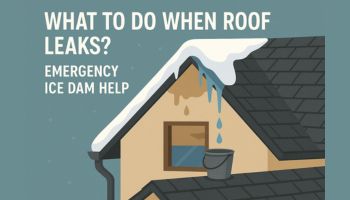
    You spot a drip, then a stain spreads across the ceiling. It’s below freezing outside and your roof shouldn’t be leaking—yet here we are. This is the moment an ice dam turns from a roofline nuisance into a full-blown home emergency. When that happens, you’re likely dealing with an ice dam emergency. Knowing what to do in the first few minutes can limit interior damage and help you make smart, safe decisions.

    This guide explains what’s happening on your roof, immediate steps to protect your home, and how emergency ice dam removal is handled safely by professionals.

    Protect the Inside of Your Home

    • Contain the water. Move furniture, set out towels, and place a bucket under active drips.
    • Release trapped moisture. If paint is bubbling, puncture the lowest point of the bubble to let water drain in a controlled way.
    • Lower humidity. Run bathroom fans or a dehumidifier to slow interior moisture buildup.
    • Document the damage. Take clear photos of leaks and roof ice for insurance and repair records.

    Understand Why It’s Happening

    Ice dams form when heat from inside your home melts snow on the roof. The water runs down to the colder eaves and freezes, building a ridge of ice. This ridge blocks new meltwater, which then seeps beneath shingles and into the attic or walls. Common triggers include:

    • Heat loss through the attic from poor insulation or air leaks
    • Uneven roof temperatures caused by limited ventilation
    • Heavy snow followed by quick freeze–thaw cycles
    • Gutters packed with ice that prevent drainage

    Once water finds a path inside, gravity takes over. The goal now is to relieve pressure and remove the ice safely — without damaging the roof.

    What Not to Do

    When water starts leaking during a deep freeze, panic can make even practical homeowners reach for the nearest tool. It’s understandable—you want the ice gone fast. But some quick fixes can turn a manageable situation into major roof damage.
    One of the most common mistakes is chipping or hammering at the ice. What feels like progress actually cracks shingles and tears the membrane beneath, leading to more leaks once the weather warms. Another misstep is pouring salt or using de-icing pellets along the eaves. These chemicals can corrode metal gutters, stain siding, and damage landscaping below. Even power washing—often marketed as a fast solution—forces water deep under the shingles, accelerating leaks and rotting the roof deck from within.
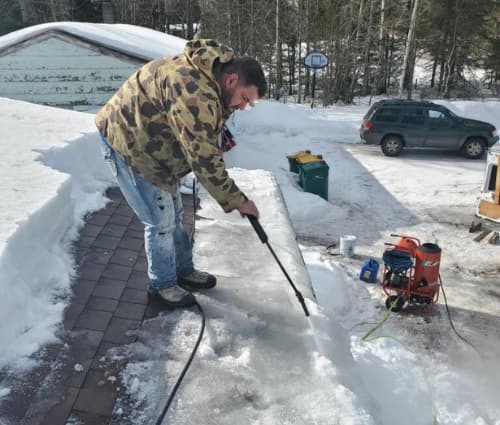
    The same goes for hiring anyone who relies on hammers, axes, or high-pressure washers. They may remove the visible ice, but the hidden damage left behind is far costlier. The only safe and proven approach is low-pressure steam removal. Steam loosens the ice gently, melts it completely, and preserves the integrity of your roof—exactly what manufacturers recommend for emergency ice dam work.

    How Emergency Ice Dam Removal Works

    Professional teams use specialized steam equipment to free trapped water without causing shingle damage. A typical emergency visit involves:

    1. Assessing where leaks occur and how ice is distributed
    2. Creating melt channels to relieve standing water
    3. Removing the remaining ice from eaves and valleys
    4. Checking gutters and drainage paths
    5. Explaining findings and prevention options
    This controlled process stops the active leak, protects the roof surface, and prevents additional damage during thaw cycles.

    Stabilize While You Wait for Service

    While waiting for professional help, continue minimizing interior moisture:

    • Keep buckets under leaks and replace saturated towels.
    • Ventilate the attic if safe to do so, promoting airflow.
    • Use portable fans to circulate air around wet spots.
    • Shut off electrical circuits if water is near fixtures or outlets.

    After the Ice Is Gone — Preventing the Next One

    Once the immediate crisis is over, take preventive measures before the next freeze:

    • Seal attic air leaks around lights, vents, and plumbing penetrations.
    • Add or level insulation to keep attic temperatures consistent.
    • Ensure balanced intake and exhaust ventilation.
    • Keep gutters clear of debris year-round.
    • Install targeted heat cables if specific areas always freeze first.
    These upgrades reduce roof heat loss — the underlying cause of most winter leaks.

    Frequently Asked Questions About Ice Dam Emergencies

    How fast should I act when I see water leaking in winter?

    Immediately contain the leak and contact a professional who handles ice dams with steam equipment. Fast action limits drywall and insulation damage.

    Can I knock down the icicles to stop it?

    Icicles themselves aren’t the root problem. The ice on the roof beneath them is. Knocking icicles can loosen gutters and still leave the dam in place.

    Does insurance cover ice dam removal?

    Many homeowners policies cover interior water damage and may reimburse professional removal. Coverage varies, so document the event and contact your carrier for details.

    Will steaming my roof damage shingles?

    No. Properly performed steam ice dam removal uses controlled heat and low pressure, preventing the physical damage caused by chipping or power washing.

    How can I prevent this from happening again?

    Address attic insulation, ventilation, and air sealing before next winter. Balanced airflow keeps roof temperatures even, reducing the melt-refreeze cycle that causes ice dams.

    When to Seek Professional Help

    If the leak is active, water is near electrical areas, or interior ceilings are saturated, professional intervention is the safest route. Teams specializing in emergency ice dam removal can quickly relieve roof pressure and stop the leak without creating new damage.
     
    When it’s time to call in the experts, you can count on Ice Dam USA for fast, careful, and roof-safe steam removal.


  • How to Prepare Roof For Winter


    How to Prepare Your Roof for Winter the Right Way

    How to Prepare Roof For Winter Weather
    Winter Is Coming – Prepare Your Roof!
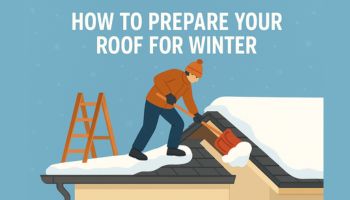
    Winter doesn’t just bring snow—it brings surprises. Leaks, ice buildup, and unexpected repair bills often start with small oversights in fall maintenance. Preparing your roof now is the smartest way to protect your home, prevent ice dams, and avoid frantic calls during a blizzard.

    At Ice Dam USA, we’ve spent more than three decades protecting roofs across northern states, including Minnesota, Wisconsin, Wyoming and Montana, among others. Here’s how to prepare your roof for winter the right way—with the same care and common sense we bring to every emergency call.

    1. Start With a Roof Inspection Checklist

    A quick look before the first snowfall can catch issues early. Use a safe, ground-based visual check or hire a pro to confirm the details. Your roof inspection checklist should include:
    • Shingle condition: cracked, curled, or missing pieces
    • Flashing and vents: rust, gaps, or loosened edges
    • Gutters and downspouts: clear, secure, and draining
    • Attic ventilation: balanced intake and exhaust airflow
    One small flaw can turn into a big winter problem once snow and freeze–thaw cycles kick in.

    2. Clean Gutters and Downspouts Thoroughly

    Clogged gutters trap melting snow, turning runoff into frozen sheets that creep under shingles. That’s how gutter ice starts and spreads along the eaves.
     
    Scoop debris, rinse with a hose, and verify downspouts push water away from the foundation. If you’ve battled icicles or frozen gutters in past winters, consider professional gutter ice removal before heavy snow arrives.

    3. Inspect Attic Insulation and Ventilation

    Attic insulation and ventilation are central to winter roof health. Warm indoor air that escapes into the attic warms the roof deck from below. Snow melts unevenly and refreezes at the eaves, creating ice dams.
     
    Aim for 12–15 inches of even insulation coverage. Cold air should enter through soffit vents and exit through ridge or roof vents, keeping attic temps close to outside air. Bare roof patches after snowfall are a clue your attic is running warm.

    4. Seal Heat Leaks Before the Cold Sets In

    Small gaps act like mini furnaces pushing warm air into your roof space. Focus on recessed lights, chimneys, plumbing penetrations, attic hatches, and ductwork junctions.
     
    Use caulk, spray foam, and weatherstripping to seal leaks. An energy audit can reveal hidden bypasses that DIY inspections miss. This step reduces heat loss, stabilizes attic temps, and trims energy bills.

    5. Trim Overhanging Branches and Manage Snow Load

    Heavy branches scrape shingles, break gutters, or fall during storms. Trim branches back at least six feet from the roofline.
    After major snowfalls, use a long-handled roof rake from the ground to pull snow down gently from lower sections. Avoid sharp tools or aggressive scraping that damages shingles.

    6. Install Heat Cables in Chronic Trouble Spots

    If your eaves or valleys repeatedly build ice, heat cables can provide targeted relief by creating narrow melt channels for drainage.
     
    Use them as a supplement. Cables work best alongside solid insulation, balanced ventilation, and clean gutters.

    7. Schedule a Professional Roof Maintenance Visit

    Peace of mind goes a long way. A professional review of your roof, insulation, and gutters before deep freeze can prevent midwinter emergencies.
     
    Our ice dam removal experts provide safe and practical advice on insulation upgrades to stop ice dams at the source. We answer every call, explain the plan, and protect roofs other contractors accidentally destroy.

    Final Thoughts: Prevention Beats Panic

    A couple of focused hours inspecting, cleaning, sealing, and planning can be the difference between a quiet winter and a water-damage claim. For expert guidance on insulation, airflow, and ice prevention, review:
    We Answer. We Protect. We Deliver. Your home deserves a winter-ready roof, not a mid-season rescue.

    Frequently Asked Questions About Winter Roof Preparation

    When should I prepare my roof for winter?

    Early fall is ideal. Temperatures are mild, leaves haven’t fully dropped, and contractors still have availability for inspections or insulation upgrades.

    How often should I clean my gutters?

    At least twice a year—late spring and fall. Homes with heavy tree cover may need extra cleanings to prevent gutter ice buildup and overflows.

    What’s the right attic temperature in winter?

    Keep the attic within 10–15°F of outside air. That balance limits uneven snow melt and reduces the risk of ice dams forming along the eaves.

    Do heat cables really work?

    Yes, as a supplement. They help in localized problem areas but don’t replace proper insulation and balanced ventilation.

    What’s the safest way to remove roof snow?

    Use a long-handled roof rake from the ground, pulling snow down gently. Avoid ladders, metal shovels, and aggressive scraping that can damage shingles.


  • What Causes Ice Dams


    What Causes Ice Dams? The Complete Homeowner’s Guide

    What Causes Ice Dams?
    Learn How Ice Dams Begin
    You spot a brown stain on the ceiling in mid-winter and your stomach drops. Roof leak? Pipe? Something else? In many cases, the culprit is an ice dam—a quiet rooftop problem that builds along the eaves until meltwater finds its way inside.

    At Ice Dam USA, we’ve seen this story thousands of times across northern states. The good news: once you understand what causes ice dams and how they form, you can take smart steps to stop them before they start.

    The Science Behind Ice Dams

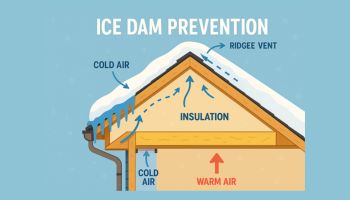
    An ice dam forms when indoor heat escapes through the roof, melts the snow, and that meltwater refreezes at the colder roof edge. Over time, a ridge of ice builds and traps additional water behind it. Trapped water has one direction to go—under shingles and into your home.
    In plain terms, ice dams form because of uneven roof temperatures—warmer near the peak, colder at the eaves. Fix the temperature imbalance and you reduce the odds of leaks and drywall damage.

    How Roof Heat Loss Triggers Ice Dams

    Most homes lose heat through the attic. Warm air escapes via gaps, light fixtures, and insufficient insulation, warming the underside of the roof deck. That hidden warmth melts the snow from below. Water runs down-slope, hits the unheated overhang, and freezes again. A few cycles later, you’ve got thick ice ridges and backed-up meltwater.
    Signs of roof heat loss include a warm attic in winter and bare roof patches while neighbors’ roofs stay snow-covered. That heat imbalance is silently setting the stage for an ice dam.

    Attic Condensation: The Hidden Contributor

    Even with decent insulation, attic condensation can add fuel to the problem. Moist indoor air rises, hits cold roof surfaces, and forms frost. When temps nudge upward, that frost melts—adding water to the system. Now you’ve got extra moisture feeding those freeze-thaw cycles.
    Balanced attic ventilation helps maintain an even roof temperature. Seal attic bypasses, vent bath fans to the exterior, and watch for humidity buildup. Small air-sealing wins can make a large difference in ice dam prevention.

    Early Warning Signs to Watch

    • Long icicles along eaves or gutters
    • Ice buildup at roof edges or behind downspouts
    • Ceiling stains or bubbling paint on upper floors
    • Drafty rooms directly under the roof
    Spotting these symptoms early can spare you from soaked insulation, stained ceilings, and warped trim.

    What Not to Do When You Find an Ice Dam

    Quick fixes often cause expensive damage:
    • Chipping or hammering cracks shingles and tears membranes.
    • Rock salt or de-icers corrode gutters and stain siding.
    • High-pressure washers force water beneath shingles and speed up leaks.
    Our crews use low-pressure steam systems designed specifically for ice dam removal. Steam gently melts ice without damaging shingles, gutters, or flashing. It’s fast, safe, and widely preferred by roofing manufacturers.

    Prevention That Actually Works

    Once the immediate crisis is handled, focus on long-term prevention:
    • Improve attic insulation to keep living-space heat out of the roof cavity.
    • Ensure intake and exhaust ventilation for stable roof deck temperatures.
    • Seal attic air leaks around lights, chases, and plumbing penetrations.
    • Keep gutters clear so meltwater drains freely.
    • Use heat cables on chronic trouble spots as a targeted assist.
    Preventive work costs far less than repairing saturated drywall, buckled flooring, or ruined insulation.

    Trust the Team That Protects Your Roof—Not Destroys It

    Emergency service demands speed, skill, and the right tools. Too many contractors rely on hammers, axes, or power washers that can wreck shingles and void warranties. For 30+ years, Ice Dam USA has answered the phone, dispatched fast, and used professional steam equipment that protects your roof while clearing the ice.
     
    You don’t need a sales pitch during a leak. You need a responsive expert who shows up, explains the plan, and treats your home with care.

    Frequently Asked Questions About Ice Dams

    Can ice dams cause roof leaks?

    Yes. When ice blocks melting snow from draining, the water backs up beneath shingles and leaks into your attic or walls. That’s why it’s critical to address the cause, not just remove the ice.

    Do heat cables prevent ice dams?

    Heat cables can help in problem areas, but they’re a supplement, not a cure. Proper insulation and attic ventilation do more to prevent ice dams long-term.

    Are ice dams covered by homeowners insurance?

    Many policies cover interior water damage and professional ice dam removal, though coverage varies by provider. Always document the problem and contact your insurer promptly.

    How can I tell if my home is at risk for ice dams?

    Look for uneven roof melt, icicles along gutters, or ceiling stains under the attic. Homes with poor attic insulation or ventilation are most prone.

    What’s the safest way to remove an ice dam?

    Low-pressure steam removal is the safest and most effective method. It melts ice without damaging shingles, unlike hammers, salt, or power washers.

    Still Have Questions About Ice Dams?

    We’re here to help you understand what’s happening overhead and how to fix it safely. Explore our Ice Dam Removal page for the full steam process, and check the FAQs on that page for practical prevention tips (see FAQs).
    We Answer. We Protect. We Deliver. Your roof deserves the right fix the first time.


  • BLG Minneapolis Ice Dam Removal

    Minneapolis’ #1 Ice Dam Removal Service

    Servicing States All Over Minnesota


    Minneapolis’ Most Reliable Ice Dam Removal Service


    How Do Ice Dams Form in Minnesota?

    In Minneapolis, the formation of Ice Dams on building structures can be attributed to several factors. The two most prevalent causes are insufficient insulation and excessive snow accumulation on the roof.

    When substantial snowfall occurs or as the snow gradually builds up over time, it begins to obstruct your roof vents. These vents, often overlooked, play a crucial role in maintaining the health of your roof. They allow your roof to breathe as heat rises. When these vents are blocked, the trapped heat begins to warm your roof. This causes the snow to melt, and as it reaches the unheated 2′ overhang on the edge of your home, it refreezes. Over several days, this cycle leads to the growth of ice dams, which start to retain water. Once the water volume becomes too much, it breaches your roof, resulting in an unwanted indoor waterfall.

    Ice Dam USA is a specialist in ice dam removal Minneapolis and throughout Minnesota. Our team of professionals is skilled at operating under harsh winter conditions, utilizing custom true steamers to remove ice dams effectively and safely. Unlike many other companies that resort to heated pressure washers, our steamers deliver quick results with minimal damage to your roof. We understand the urgency of the situation and guarantee to halt the water intrusion into your home within 30 minutes of our arrival. This swift action not only prevents further damage but also saves you money by reducing the need for extensive repairs.

    Why Choose Ice Dam USA for Ice Dam Removals?
    Ice dams are formidable barriers of ice that form on your roof, functioning much like a traditional dam. They obstruct the natural flow of water from your roof, thereby hindering the effectiveness of your roofing materials.

    Roofing materials, such as shingles, are specifically designed to facilitate the smooth flow of water off your home. However, when confronted with the wall of ice that is an ice dam, water begins to back up, seeping under your shingles and seeking the path of least resistance downwards. Unfortunately, your roofing materials are not designed to combat this, and more often than not, water emerges victorious.

    The formation of ice dams is a result of heat escaping from your home, which rises and melts the snow on your roof. However, this melting process doesn’t occur uniformly or simultaneously across the entire roof. As the water from the melted snow comes into contact with the still-frozen snow, it gradually cools until it eventually refreezes. This refrozen water accumulates and forms a wall, or an ice dam, that holds back water that either freezes and augments the size of the dam or accumulates behind it. The heat from your home is consistently released, but it escapes more rapidly from vents, skylights, and other areas with less insulation. This results in the snow melting faster in these areas than in areas with better insulation or lower on the roof. Often, this occurs near the gutters, which is where many ice dams originate.

    Preventing ice dams is a proactive measure to protect your home. Ice Dam USA recommends regular snow removal from your roof as the most effective prevention method. However, if ice dams have already formed, immediate action is necessary.

    If you’re grappling with the issues caused by ice dams, don’t hesitate to reach out to Ice Dam USA in Minneapolis. We serve various cities in Minnesota and operate throughout the United States. Schedule your appointment today by contacting us at 1-855-GOT-ICEE (1-855-468-4233). Allow us to handle your ice dam removals Minneapolis, safeguarding your home from the damaging effects of ice dams.


    Need Your Ice Dam Removed From Your Roof? We Can Help!


    [recaptchajs]


    Request a Quote


    Our Service Area

    Proud to Serve The Following Minnesota Cities:
      [setting:blg_map_minnesota]

    If you are experiencing issues with ice dams beyond those areas, just give us a call! We work throughout the United States and we can take care of your ice dams and the problems they are causing you.

    How Can I Stop My Roof From Leaking?

    If you are in Minneapolis, you know how our winters can be and how much snow we can see come down. If you have snow on your roof and icicles coming down from your gutters, the water can be from an ice dam that is preventing the water from running off the top of your home. Normally, water will flow down your roofing materials and into your gutters, but something may be blocking that process. The only way to stop it is to remove the obstacle.

    Getting on your Minnesota roof any time of the year can be dangerous, but even more so when it is cold and wet. Putting a ladder up and then climbing to reach the roof during these conditions is something that should be done by professionals.

    The Ice Dam USA are those professionals in Minneapolis and is skilled at operating in these conditions. We work all over Minnesota. From Minneapolis / St. Paul to Rochester and everywhere in between. They are also one of the most trusted companies in the USA at finding and removing ice dams from roofs. Once the ice dam is removed, the water will flow as normal; outside of your home and not into your home. Reach out to us at [setting:phone-word] to get started.


    Frequently Asked Questions About Ice Dam Removal Minneapolis

  • Ice Dam Blog


    Winter Insights, Tips, and Expert Advice from Ice Dam USA

    Welcome to the Ice Dam USA Blog — your trusted source for expert guidance on protecting your home during harsh northern winters. Here, you’ll find professional insights on ice dam removal, roof snow management, gutter ice prevention, and attic insulation tips designed to help you stay one step ahead of winter weather. Every article is written by our experienced team to educate, empower, and give homeowners practical advice they can use. Explore our categories below to learn how to prevent damage, save on repairs, and keep your roof safe all season long.


    Ice Dam Education & Awareness
    Understanding how ice dams form is the first step to stopping them. Explore our expert guides on roof ice formation, attic insulation issues, and weather patterns that contribute to winter water damage — so you can make informed decisions before problems begin.
     

    Ice Dam Prevention & Roof Health
    Ice dam prevention is the key to a damage-free winter. Learn how proper attic insulation, ventilation, and roof snow management can keep ice dams from forming and extend the life of your roof season after season.


    Emergency Response & Damage Control
    When water starts leaking through your ceiling, every minute counts. These posts cover real-time solutions, 24/7 response tips, and professional methods for safe steam-based ice dam removal that protect your home from further damage.